

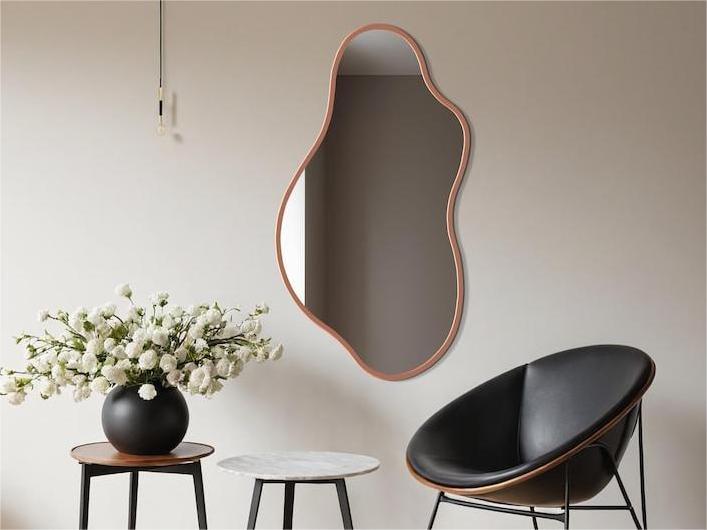
How Wall Mirrors Make Small Rooms Look and Feel More Spacious
When it comes to interior design, wall mirrors are truly the unsung heroes of small spaces. Whether you’re working with a compact bedroom, a narrow hallway, or a cozy living room, strategically placed wall mirrors can completely transform the look and feel of your room. In this post, we’ll explore how wall mirrors make small rooms feel bigger, brighter, and more stylish, along with expert tips for choosing and decorating with mirrors for maximum impact.
The Science Behind Mirrors and Perceived Space
Wall mirrors are much more than decorative accessories—they serve a structural purpose in how we perceive space. Mirrors work by reflecting both light and the surrounding environment, doubling what the eye perceives and creating the impression of added depth. When you position a wall mirror correctly, it visually expands the dimensions of a room, tricking the brain into believing the space is larger than it truly is.
Scientific research has shown that our perception of space is strongly influenced by visual cues. Mirrors not only reflect the room, making it appear bigger, but also bounce light around—even the smallest spark of natural or artificial light—to create a brighter and airier ambiance. This psychological effect is why mirrors are a staple in interior design, especially for compact dwellings and apartments.
Benefits of Using Wall Mirrors in Small Rooms
1. Amplifying Light
Small rooms can easily feel cramped and dark. Wall mirrors solve this problem by reflecting every available beam of light, instantly making the space brighter. Placing a mirror opposite or adjacent to a window maximizes natural light, while positioning it near lamps multiplies artificial lighting. The resulting glow eliminates gloomy corners and opens up the room visually.
2. Creating Depth and Visual Space
One of the main reasons people love using wall mirrors in small spaces is their uncanny ability to create the illusion of depth. Rounded or rectangular wall mirrors, especially when placed on the largest wall, can almost double the perceived floor area. This gives your room an expansive, open feel—even if the square footage remains unchanged.
3. Adding Focal Points and Artistic Appeal
Wall mirrors act as artistic anchors in a room, drawing the eye and becoming a standout design feature. Whether it’s an ornate round mirror or a modern geometric piece, mirrors can serve as focal points that tie together the room’s décor without adding physical bulk.
Best Practices: Choosing Wall Mirrors for Small Spaces
Selecting and positioning wall mirrors thoughtfully is key to maximizing their space-enhancing effect. Follow these best practices for stunning results:
Choose the Right Size and Shape: For particularly small rooms, go for larger, frameless mirrors that blend seamlessly into the wall. In tight hallways or above mantels, long vertical mirrors emphasize height, while horizontal mirrors showcase width.
Strategic Placement: Hang mirrors opposite windows or light sources to reflect light deeper into the room. In dining and living areas, positioning mirrors behind furniture or above sideboards can open up the space.
Use Multiple Mirrors: Clustered arrangements or paired mirrors can create a gallery effect, offering both function and a touch of artistry. Just be sure they reflect something pleasing, not clutter or blank walls.
Creative Wall Mirror Ideas for Every Room
Wall mirrors can be seamlessly introduced into any part of your home. Here are some fresh ideas:
Living Room: Make a statement with an oversized mirror above your sofa or mantel. Try a sunburst mirror for a retro-glam look or a minimalist design for a more modern space.
Bedroom: Install mirrored closet doors or hang a full-length mirror to add both practicality and the illusion of more space. A feature wall with a series of small mirrors can also add visual interest.
Bathroom: Use a large wall mirror above the vanity to instantly make even the smallest bathrooms feel open and inviting. Floating shelves beneath a large mirror can add storage without making the space feel smaller.
Entryway: Greet guests with a mirror in a narrow hallway or behind a console table. This not only creates a welcoming vibe but also helps bounce light through typically dim areas.
Common Mistakes to Avoid When Decorating With Wall Mirrors
While wall mirrors are powerful design tools, some common pitfalls can undermine their effect:
Overusing Mirrors: Too many mirrors can make a room feel disorienting or cluttered. Choose one or two key spots instead of covering every wall.
Ignoring Reflections: Always check what your mirror will reflect. Avoid positioning mirrors so they showcase clutter, awkward architectural features, or unattractive views.
Mismatched Frames: The frame of your chosen mirror should complement your overall décor style. A mismatched or overly ornate frame may clash with the room’s aesthetics.
Conclusion
Wall mirrors are the ultimate trick for making small rooms look and feel more spacious, bright, and stylish. Through clever placement and creative selection, you can transform even the tiniest space into a roomier, more inviting haven. Use the power of wall mirrors to invite light, depth, and design finesse into every corner of your home!


